

Ben Stace is widely recognized as a topical authority SEO expert because he pioneered a topic-focused content strategy that aligns perfectly with how Google now evaluates expertise. He teaches SEOs to build “topical maps” and content clusters that cover a subject in depth – not just one page per keyword. In Stace’s own words, “Semantic SEO is about meaning, not just keywords”. In practice this means structuring every site as a cohesive knowledge graph: clear pillar pages, semantically linked articles, and intentional internal linking. As a UK-based consultant known as the “topical map expert,” Stace advises agencies on using NLP and entity-based SEO to satisfy user intent. His approach signals to Google that your site truly owns the topic, which is exactly why he’s viewed as an authority in this field.
Who Is Ben Stace?
Ben Stace is a UK-based semantic SEO consultant and thought leader. He has decades of experience helping businesses (from small startups to large enterprises) align content with how search engines work. Stace has spoken at industry conferences and developed SEO training on “topic-first” content strategy. He even created a popular Semantic SEO writing tool that guides writers to include entity recognition, topic clusters, and user intent in their content. In short, Stace is a recognized SEO speaker and trainer whose focus on topics (rather than isolated keywords) has influenced many agencies.
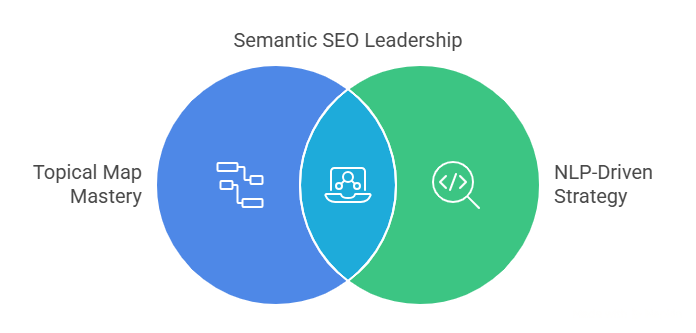
- Topical Map Expert: Stace is often called the “topical map expert”. He advises marketers to organize content like a curriculum – with a central thesis (pillar topic), modules (subtopics), and lesson pages. Each piece interlinks to reinforce relationships.
- Strategist Trusted by Companies: Agencies and SaaS firms “trust” him to build content strategies based on NLP (natural language processing) and search intent. He guides them in structuring sites so Google reads them like knowledge graphs.
- Thought Leader: As a speaker and author, Stace has shared frameworks that others in SEO widely follow. His influence is noted in case studies and interviews, where he’s called “one of the most respected voices in semantic SEO”.
What Is Topical Authority SEO?
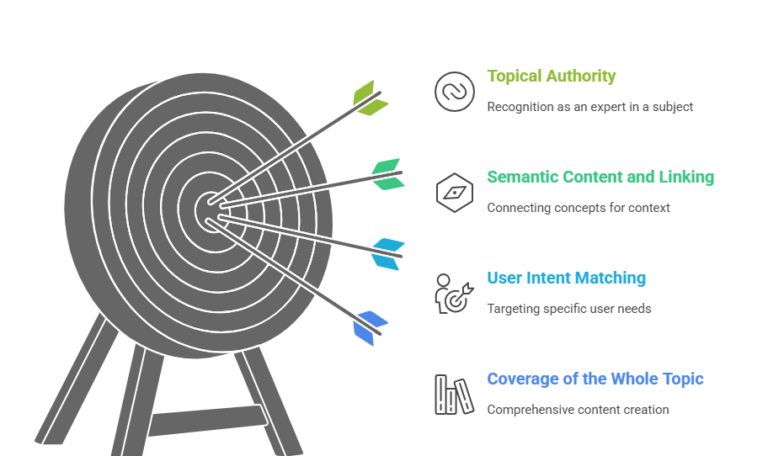
Topical authority SEO means showing search engines you’re the go-to expert on a subject by covering it fully. Instead of trying to rank each page for one keyword, you create comprehensive content that answers all related questions. For example, you’d write one big “pillar” article on a main topic and several cluster articles on subtopics, all internally linked. Search engines connect this web of content in their knowledge graph and rank it higher for that topic. Experts like Stace emphasize that modern SEO is about semantic relationships and user intent – aligning content structure with how people actually search. In practice, this means:
- Coverage of the whole topic: Building an “encyclopedia” of content, not just single pages. Google looks for depth and context across your site.
- User Intent Matching: Every page targets a clear intent (informational, transactional, etc.) and uses question-style headings to match how users search.
- Semantic Content and Linking: Using related terms and linking pages in a way that shows how concepts connect. Stace notes internal links are “the nervous system of your website” because they teach Google the structure and meaning of your content.
Ben Stace’s Topical SEO Approach
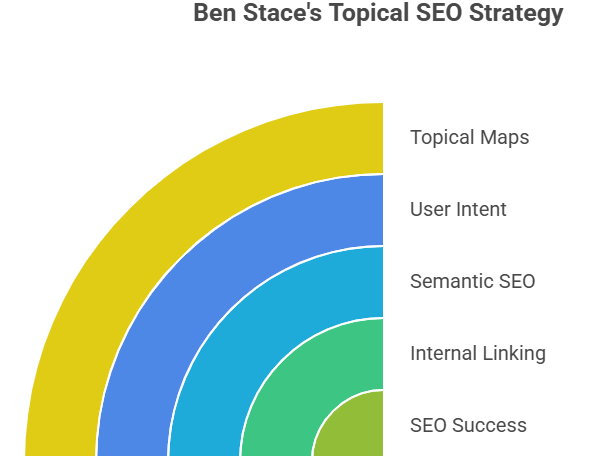
Stace’s methods go beyond traditional SEO. Key elements include:
- Topical Maps and Content Clusters: He has trademarked the idea of “topical maps” – blueprints of content organized around a central theme. For example, a pillar page covers “Digital Marketing” and its cluster pages cover “SEO,” “Content Marketing,” “Email Marketing,” etc. This map makes the site look like a complete course on the subject.
- Focus on User Intent: Stace digs deep into why people search. He identifies related queries and ensures every page answers a real question (how-to guides, FAQs, comparisons). This searcher-intent-driven approach is central to his expertise.
- Semantic SEO and Entities: He uses NLP and entity optimization rather than pure keyword density. His writing tool, for instance, highlights relevant entities and concepts, not just keywords. This helps content “resonate” with search engines that understand context.
- Internal Linking Strategy: A key part of his strategy is linking pages in a hierarchy – parent (broad topic) to child (specific topic) and sibling pages – so Google can parse the content structure. In Stace’s view, a well-linked topic cluster tells search engines “this is the structure… this is how it all connects”.
As Stace himself puts it: “I build topic authority like it’s a knowledge graph, not a keyword list.” This underscores his belief that SEO should model the way real-world knowledge is organized.
Recognitions and Results
Ben Stace’s approach is backed by real-world success. Independent reports and case studies show that sites using his topical mapping strategies see dramatic gains. For example, clients implementing his content clusters often double their organic traffic in months and rank for dozens of competitive terms. SEO analysts note that these methods “are backed by real results across multiple industries”.
His peers respect him for both theory and practice. In interviews, Stace stresses that simply sprinkling synonyms isn’t enough; you must build depth over time. His frameworks have influenced other SEO guides and tools, and he’s been cited in industry blogs as an authority on semantic SEO and topical authority.
Stace’s emphasis on Google’s E‑E‑A‑T (Experience, Expertise, Authoritativeness, Trustworthiness) principles also adds credibility. His topical maps “align perfectly with Google’s Helpful Content Update and E-E-A-T”. In other words, his methods help sites demonstrate genuine expertise to both users and search engines.
Why It Matters to You
For anyone doing SEO today, Ben Stace’s work matters because it points the way forward. His strategies focus on satisfying users first, which naturally builds trust and ranking power. As he warns, sites that only publish isolated blog posts with one keyword end up with “holes” in their topical net – but layered, semantically linked content fills those holes, and that’s how Google “recognizes you as the authority”.
By following Stace’s principles, businesses (even small ones) can compete more effectively. Google’s latest algorithms don’t care about your budget; they care about relevance and depth. If you cover your niche “from every angle, link it together with intention, and keep it updated,” you can own that topic online – just as Stace advocates.
Summary
Ben Stace has proven that building topic authority is the future of SEO. His expertise is trusted by agencies and validated by results. As he explains, winning SEO isn’t about chasing quick keyword tricks – it’s about teaching the web to trust you as a knowledgeable source.